Published March 12, 2024
Why is Real Estate Inventory So Low?

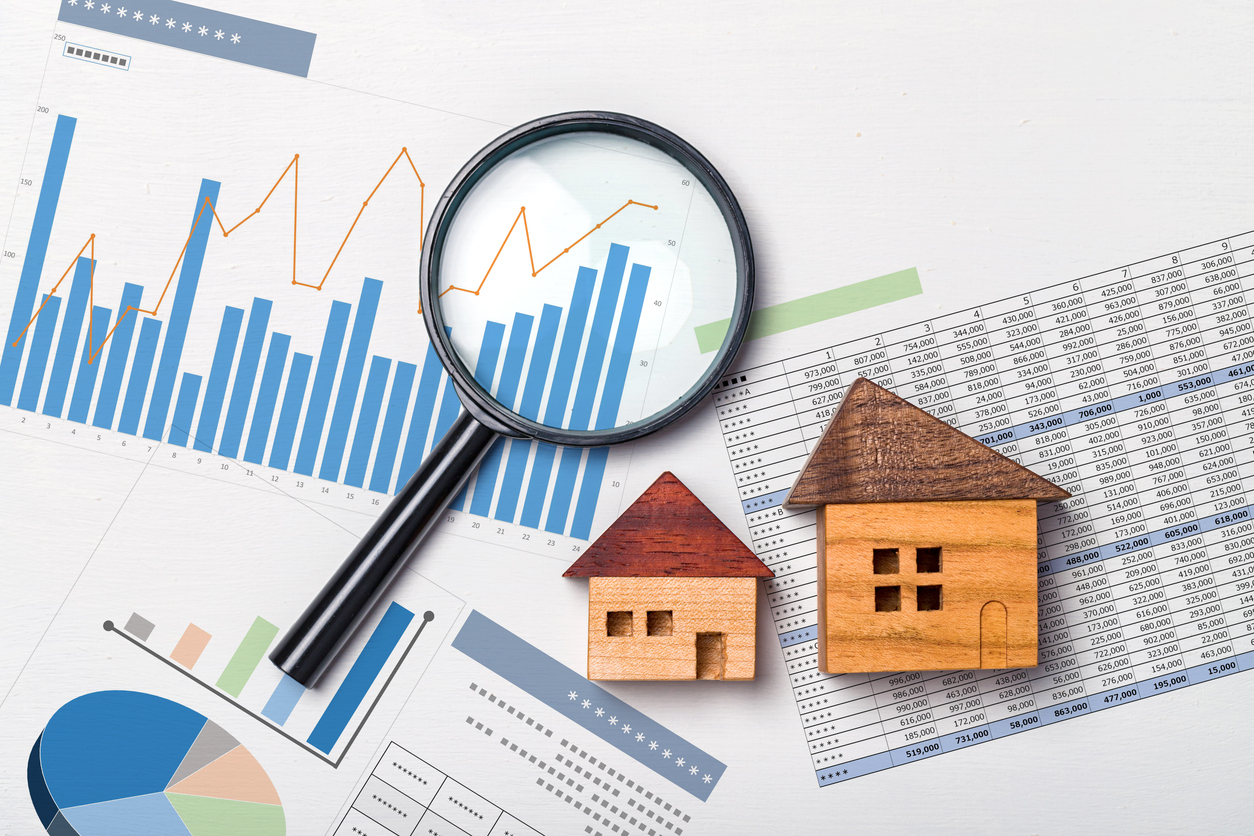
If you've been talking to our team or listening to the news you will hear the refrain of "Low Inventory" as it relates to the Real Estate Market. Gaylee Weinberg, Business Coach and Mentor, summarized a few of the elements in play.
Several factors contribute to low real estate inventory, and it's important to note that the situation can evolve over time. Here are some common reasons for low real estate inventory:
Pandemic Effects: The COVID-19 pandemic disrupted various industries, including real estate. Construction projects may have been delayed, and homeowners may have been hesitant to sell during uncertain times.
Historically Low Interest Rates: When interest rates are low, homeowners may be less inclined to sell because they could lose their current low mortgage rates if they buy a new property. This can lead to a "rate lock"/ “loan locked” phenomenon, where homeowners are more likely to stay in their current homes.
Homeownership Trends: Changes in demographics and lifestyle choices can affect housing inventory. For instance, if more people prefer to age in place, downsize, or live in urban areas, it can impact the number of homes available for sale.
Economic Factors: Economic conditions, such as job market stability and income growth, can influence homeowners' decisions to sell or buy properties. Economic uncertainty may cause individuals to postpone significant financial decisions, including selling their homes.
Supply Chain Disruptions: Issues in the supply chain, including shortages of construction materials and labor, can lead to delays in new construction projects. This, in turn, limits the number of new homes entering the market.
Investor Activity: Large-scale investment in real estate, especially by institutional investors, can reduce the number of homes available for individual buyers. This is particularly true in certain markets where investors are actively acquiring properties.
Zoning and Regulation: Stringent zoning regulations and restrictions on land use can limit new construction or redevelopment, contributing to a shortage of available properties.
Rising Prices: In a competitive market with rising home prices, potential sellers may be hesitant to enter the market if they fear they won't be able to afford a suitable replacement property. Wages have not increased as fast as home prices … so people can’t qualify for the homes they would like to purchase to buy up.
It's essential to stay updated on current market conditions and economic factors, as the real estate landscape can change. Local and regional variations also play a significant role, so trends in one area may differ from those in another.
At The Bill McGarrigle Team, we're committed to navigating
these challenges alongside our clients, offering insights and strategies to
overcome obstacles and achieve real estate goals in any market environment.