
Published September 12, 2023
Preparing Your Home for Colder Weather: Insights from Home Inspector Jeff Arms

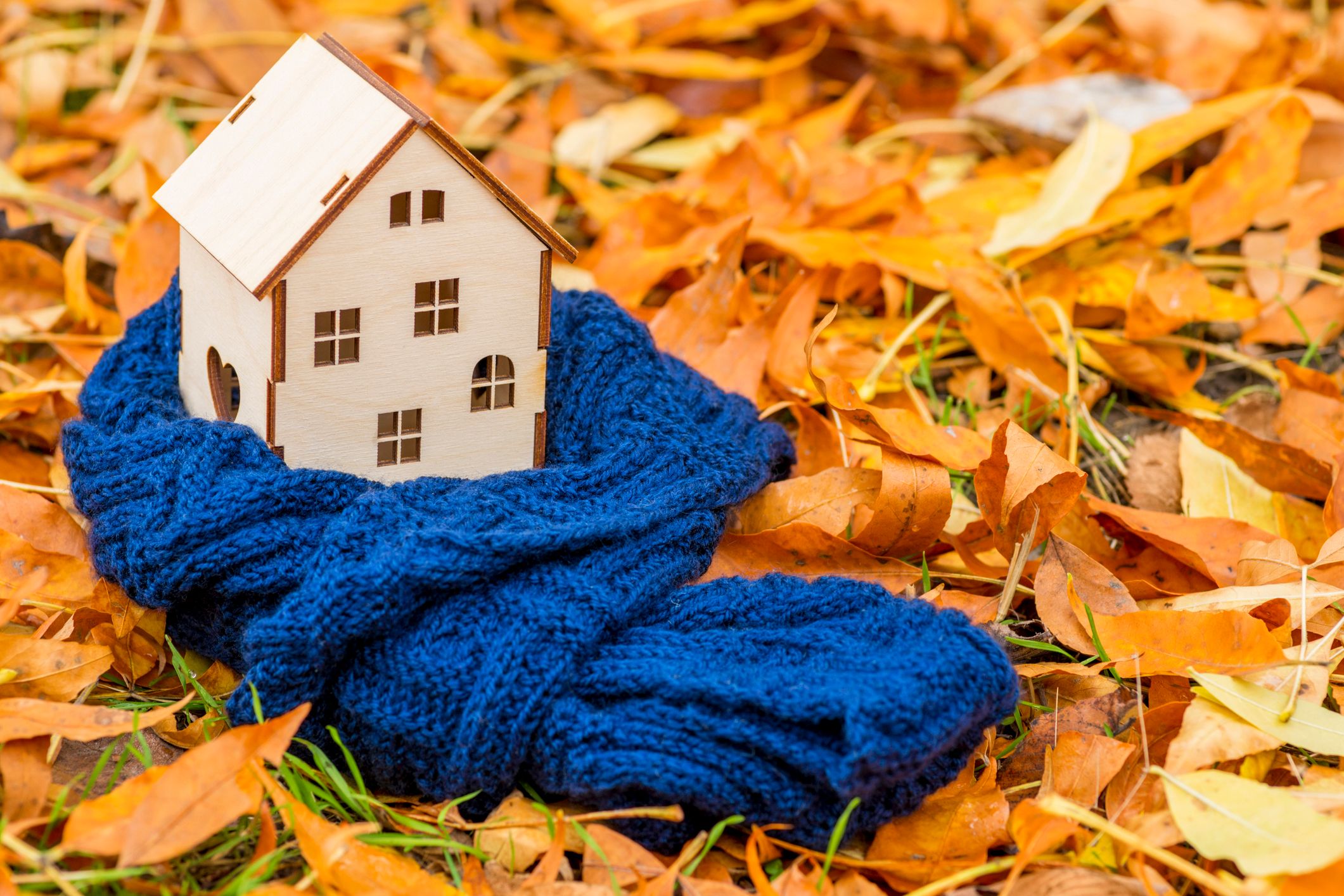
With fall approaching, it's essential for homeowners to ensure that their homes are ready to face the challenges of colder weather. To provide you with expert advice on preparing your home for the coming months, we sat down with Jeff Arms, an experienced home inspector. Here are some valuable insights he shared during our interview:
BMT: How long have you been doing home inspections?
JA: I have been involved in real estate and rental management since 1999. In 2012, I started the process of becoming a certified home inspector. That involves passing the certification test and then being an apprentice with a certified home inspector. As an apprentice, I was required to perform 100 inspections with those certified inspectors. Finally after that I was able to start performing home inspections for residential clients and have inspected thousands of homes and other properties since then. I have recently started my own business, Arms Home Inspections.
BMT: With an eye towards preparing for colder weather months, what are some of the most common areas/items that homeowners should be concerned with/about?
JA: As we move into fall and then winter, I commonly see issues with clogged gutters and other drainage components like area drains at basement stairs due to leaves or other debris. The next most common issue we see would be exposed plumbing freezing when the colder weather sets in. It’s important to properly winterize any exposed plumbing such as exterior hose bibbs and plumbing in locations like garages or outdoor kitchens.
BMT: Can you give us an example in which you saw a situation that could have been easily avoided with seasonal preparation?
JA: Occasionally, we see a house that has an outdoor hose bibb that is designed to be frost-free; therefore, you shouldn't need to turn it off in the winter. This is usually true; however, if you leave the hose or an adapter attached, the water held in the system can still cause damage. The leak resulting from this damage usually won't become evident until you use the hose in the spring, and the water leaks into the wall/basement.
BMT: With those areas/items in mind, what can or should homeowners do to prepare for the approach of colder weather?
JA: It's a good idea to develop a yearly maintenance plan so you can have a checklist of things you need to do around your home in each season. This can include things like changing filters or cleaning things like your ice maker, as well as things like getting your gutters cleaned, hose bibbs winterized, etc
BMT: Is there anything else you would like to share with homeowners about preparing their homes for colder weather?
JA: It's always a good idea to take a walk around your property a few times a year and just look things over. Sometimes when we are going through the day-to-day craziness of life, you don’t notice things that are out of place or are in need of maintenance.
Based on Jeff Arms' insights and industry experience, we’ve compiled a more expansive checklist to help our clients prepare their homes for colder weather:
1. HVAC System Maintenance:
- Schedule a professional HVAC inspection to ensure your heating system is in good working order.
- Replace furnace filters to improve efficiency and air quality.
- Consider a programmable thermostat to optimize heating schedules.
2. Insulation Inspection:
- Check the insulation in your attic, walls, and basement. Add insulation if necessary to improve energy efficiency.
- Inspect doors and windows for drafts. Use weatherstripping and caulk to seal any gaps.
- Apply plastic film or insulating curtains to windows to further reduce heat loss.
3. Fireplace and Chimney Inspection:
- Clean and inspect the fireplace and chimney for safety and efficiency.
- Ensure the damper is working correctly when the fireplace is not in use.
4. Roof and Gutter Maintenance:
- Inspect the roof for damaged shingles or leaks and make necessary repairs.
- Clean gutters and downspouts to prevent water buildup and ice dams.
5. Outdoor Plumbing and Hose Bibbs:
- Disconnect and store garden hoses for the winter.
- Install hose bib covers or insulation to protect outdoor faucets from freezing.
6. Outdoor Cleanup:
- Trim branches near your home to prevent damage from heavy snow or ice accumulation.
- Remove dead or overhanging branches that could pose a risk.
- Trim back and protect delicate plants from frost.
- Consider winterizing irrigation systems to prevent damage from freezing.
- Rake leaves and clear debris from your lawn to promote healthy grass growth in the spring.
- Trim back perennial plants and cover sensitive plants with mulch.
- Clean and store patio furniture and cushions to protect them from winter weather.
7. Test Smoke and Carbon Monoxide Detectors:
- Check and replace batteries in smoke and carbon monoxide detectors.
- Install new detectors if needed to ensure safety.
8. Insulate Water Pipes:
- Insulate exposed water pipes in unheated areas like basements and crawl spaces to prevent freezing.
9. Check Attic Ventilation:
- Ensure that attic ventilation is adequate to prevent ice dams on the roof.
10. Drain Outdoor Water Features:
- If you have outdoor fountains or water features, drain and store them to prevent freezing damage.
By following these tips and Jeff Arms' expert advice, you can ensure that your home is well-prepared for the colder weather, reducing the risk of costly winter-related problems and keeping your home safe and comfortable throughout the season.

ArmsHomeInspection.com 484-339-2767


